Muldrow Roofer for Reliable Roof Repair and Replacement Services
Muldrow Roofer for Reliable Roof Repair and Replacement Services
Blog Article
Picking a Quality Roofer: Core Recommendations for Homeowners
Finding a competent roofer serves as a critical decision for property owners. This task requires careful thought and a methodical plan. Evaluating your roof requirements, gathering referrals, and assessing available contractors are essential phases in your search. Understanding credentials and assessing estimates may appear daunting. Nonetheless, such efforts remain critical for securing a accomplished project. Homeowners need to also factor in protection plans and coverage, since these aspects can significantly shape their extended contentment. What is the next step in this procedure?
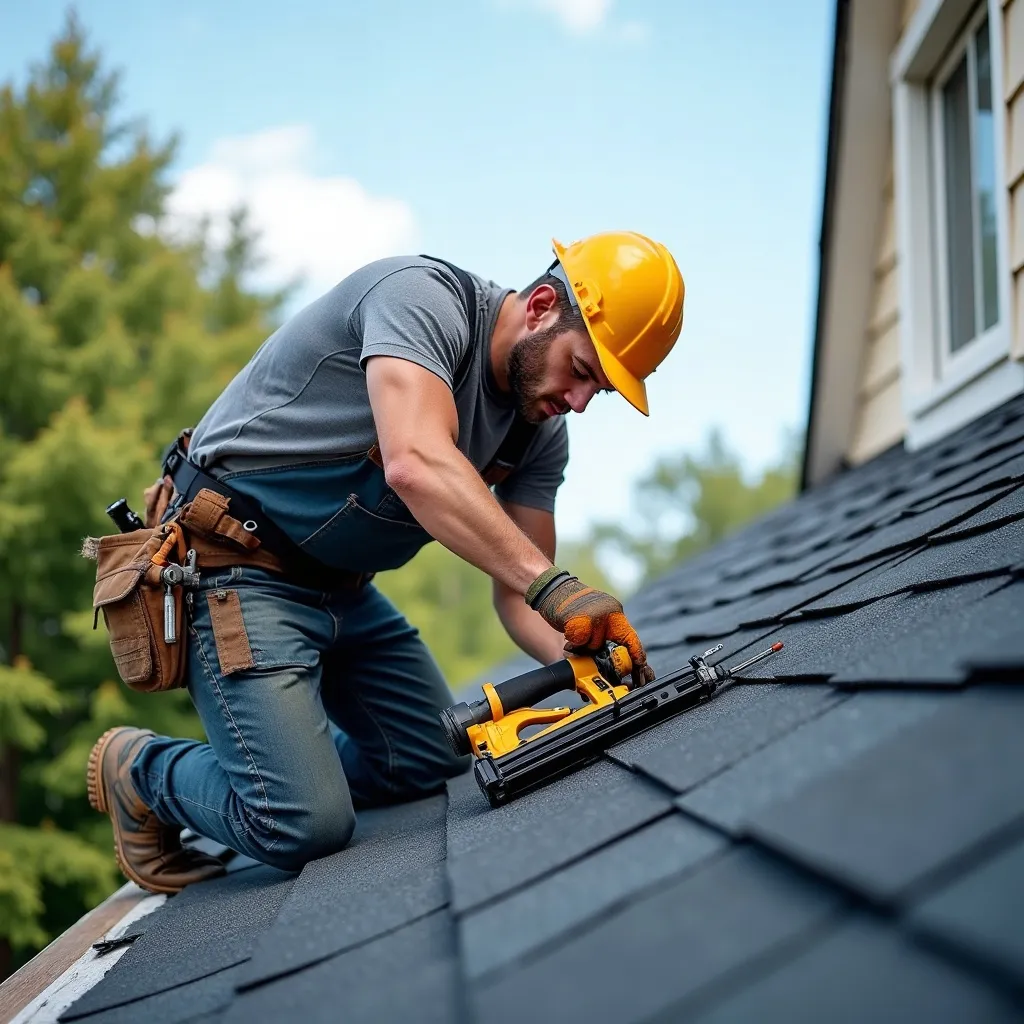
Determine Your Roofing Requirements: Evaluating Issues and Needs
When evaluating roofing needs, homeowners should start by examining the condition of their current roof. This process involves a thorough inspection for noticeable problems, including missing shingles, leaks, or sagging areas. Homeowners should also take the age of the roof into account; a roof close to the end of its lifespan may require replacement instead of repairs. Furthermore, factors such as the local climate and surrounding environment can impact roofing requirements. For instance, homes in regions prone to severe weather might require more durable materials. It is also critical to detect any underlying issues, including ventilation or insulation problems, that could compromise the roof's performance. By understanding these key considerations, homeowners can make well-informed decisions about repairs or replacements, ensuring that their roofing choices correspond with their long-term plans and budget. A clear assessment lays the groundwork for choosing the best solutions moving forward.
Locating Dependable Roofers
What approaches can homeowners use to assure they opt for a trustworthy roofer for their project? To start, they should seek recommendations from friends, family, or neighbors who have recently finished roofing work. Online reviews and ratings can also provide clarity into a roofer's reputation. Next, homeowners should verify that potential roofers are licensed and insured, as this protects against liability for accidents during the assignment. It is important to obtain multiple quotes, allowing homeowners to compare prices and services offered. Likewise, a reliable roofer should be inclined to furnish credentials from prior clients, proving their standard of work. Homeowners should also inquire about assurances on both materials and labor to confirm long-term satisfaction. By taking these linked resource steps, homeowners can greatly increase the chance of hiring a trustworthy and capable roofing service provider.
How to Verify Roofer Experience
When assessing a roofer's qualifications, it is essential to verify their insurance and licensing to ensure compliance with local regulations and safeguard from potential liabilities. Additionally, reviewing professional certifications can offer understanding of the roofer's commitment to quality standards and expertise. These steps are critical in selecting a qualified professional for roofing projects.
Check Permits And Insurance
To evaluate a roofer's credentials, start by verifying their licensing and insurance. Homeowners must obtain the roofer's license and verify it is up to date, because state regulations vary. A licensed roofer demonstrates compliance with local building codes and industry standards. Furthermore, ensuring the contractor has sufficient insurance coverage is important. This means both liability and workers’ compensation insurance. Liability insurance protects homeowners from potential damages during the roofing project, while worker’s compensation coverage safeguards against injuries sustained by workers on the job. Homeowners can often confirm this information via state licensing boards or insurance companies. Taking these steps helps guarantee that the chosen roofer is credible and minimizes risks associated with roofing projects.
Investigate Sector Credentials
Several property owners fail to recognize the importance of reviewing industry certifications during the selection of a roofing contractor, even though these qualifications can significantly influence the quality of results. Certifications from established organizations, including the National Roofing Contractors Association (NRCA) or GAF, show that a roofing specialist has completed specialized education and respects industry standards. Homeowners must ask about specific qualifications held by potential roofers and authenticate their legitimacy by contacting the certifying bodies. This guarantees not only that the roofing professional understands the most current materials and methods but also demonstrates a strong commitment to professionalism. Moreover, certified roofing professionals generally can obtain better coverage and product options, additionally boosting the value of their offerings. Focusing on these credentials can result in a more dependable roofing system.
Important Questions for Your Roofing Contractor Evaluation?
How can property owners ensure they select the best roofing contractor? One practical approach is to prepare a collection of important questions for the interview. First, property owners should ask about the contractor's background and expertise in home roof work. This helps evaluate their capability for the specific project. In addition, asking about licenses and insurance ensures compliance with local regulations and safeguards against possible risks.
Homeowners should also request testimonials from past customers to assess satisfaction levels and dependability. Inquiries about the materials used can reveal the contractor's commitment to quality. Additionally, talking about the project schedule and payment terms is essential for understanding requirements. Ultimately, asking about warranties on both materials and labor can offer reassurance concerning the longevity of the roof. By posing these targeted questions, homeowners can make informed decisions and have confidence in their selection of roofing contractor.
Tips for Comparing Roofing Quotes Effectively
When reviewing roofing quotes, it is critical to understand the parts that constitute each estimate. This encompasses not only the labor costs but also the selections suggested for the project. Analyzing the standard and durability of these materials can substantially impact the overall value and endurance of the roofing solution.
Grasp Quote Components
Grasping the components of roofing quotes is necessary for homeowners seeking to make informed decisions. A complete quote generally includes manpower expenses, materials fees, and additional charges such as permits or cleanup. Homeowners need to pay attention to the elements listed in each section, as variations can notably impact overall pricing. It is crucial to check the guarantee details and the anticipated timeline for project completion, as these factors can influence long-term satisfaction. Comparing several quotes enables homeowners to identify discrepancies and evaluate the value provided by different contractors. By clearly understanding these components, homeowners can make improved choices, ensuring they pick a roofer who fills both their budget and quality requirements.
Assess Material Choices
For comparing roofing quotes properly, you need a thorough evaluation of roofing materials. Homeowners should take into account the longevity, cost, and protection plan associated with each material type. Common roofing materials include asphalt shingles, metal, tile, and slate, each offering unique advantages and drawbacks. For example, asphalt shingles are cost-effective but may have a shorter lifespan versus metal or slate. Additionally, homeowners must evaluate the local climate, as certain materials work more effectively under specific weather conditions. It's crucial to ask contractors about the standards of their materials and any unexpected expenses. By recognizing the differences in material options, homeowners can make informed decisions that match their budget and future objectives for their roof installation.
The Importance of Guarantees and Coverage in Roof Installation
Warranties and insurance are essential building blocks in roofing projects, often neglected by homeowners. A strong warranty provides protection that the materials and workmanship are defended against defects for a specified period. This not only secures the homeowner's investment but also increases the roof's durability. Additionally, reputable roofing contractors typically offer warranties, indicating their belief in their work.
Insurance, alternatively, guards homeowners from possible financial risks during the roofing process. It covers accidents that may occur on the job site, confirming that the homeowner is not financially responsible for injuries or damages. Without proper insurance, homeowners may face substantial costs in case of unforeseen incidents.
Regularly Asked Questions
How Much Time Does a Roofing Project typically Take?
Roof installation generally requires one to three weeks, contingent on factors such as the roof's size, materials used, weather conditions, and the contractor's availability. Delays can occur due to unforeseen circumstances.
What Products Suit Best for My Climate?
Top roof options for your climate copyright on variables including temperature extremes and moisture. Cool areas perform best with asphalt shingles or metal roofs, and tropical climates often reap benefits from reflective materials or tiles to help reduce heat uptake.
Is It Possible to Stay Home During the Roofing Work?
Homeowners may generally stay at home during roofing work, but it's wise to prepare for noise and disruption. Guaranteeing safety and open dialogue with the roofing crew will enhance the overall experience.
How Could Weather Change the Roofing Schedule?
Significantly affects weather roofing plans; rain, snow, and extreme temperatures can hinder work. Roofers often modify timelines based on weather predictions to secure safety and proper installation, stressing quality over speed in adverse conditions.
What Occurs if I Need More Fixes Throughout Installation?
If additional repairs are required during installation, the roofer generally evaluates the circumstances and provides a updated quote. This may extend the schedule and expenses, ensuring the roof's strength and durability remain prioritized.
Report this page